
Anyone who has driven with a hitch-mounted accessory knows the sound: clanking, knocking, or rattling coming from the rear of the vehicle. While it may seem like a minor annoyance at first, persistent hitch movement can affect comfort, safety, and even long-term equipment durability.
This leads many drivers to ask an important question: are anti-rattle devices worth buying?
To answer that, it helps to understand what anti-rattle devices do, why hitch movement occurs, and who benefits most from using them.
What Is an Anti-Rattle Device?
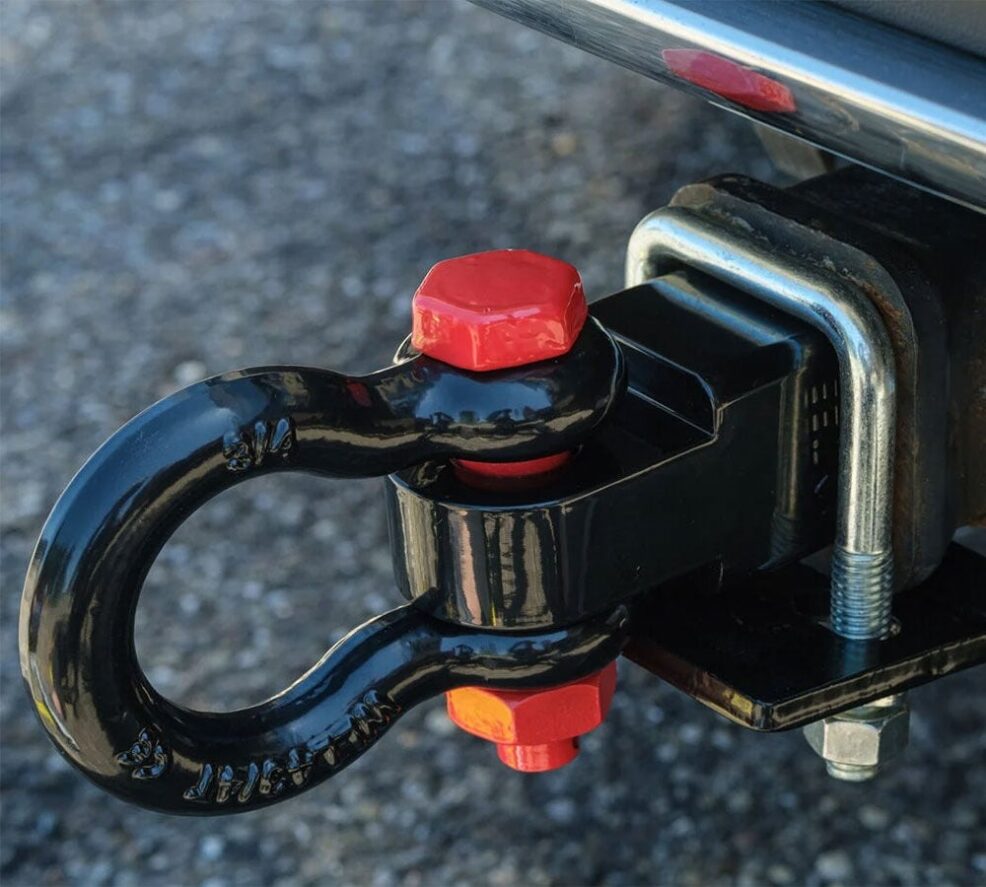
An anti-rattle device is a small component designed to reduce movement between a trailer hitch receiver and whatever is inserted into it, such as a ball mount, cargo carrier, or bike rack.
Most hitch receivers are built with slight tolerances to allow accessories to slide in easily.
Those tolerances, however, create small gaps that allow metal-on-metal movement during driving.
Anti-rattle devices work by:
- Applying pressure to eliminate slack
- Stabilizing the hitch accessory inside the receiver
- Reducing noise, vibration, and wear
They come in several forms, including clamp-style brackets, threaded hitch pins, wedge systems, and integrated stabilizers.
Why Hitch Rattle Happens
Hitch rattle is a normal result of engineering tolerances, not poor design.
Receiver hitches must accommodate accessories from different manufacturers, and materials expand and contract with temperature changes. Over time, vibration from driving can increase wear at contact points.
Common factors that contribute to rattle include:
- Rough roads or off-road driving
- Heavier hitch-mounted loads
- Long accessories that create leverage
- Frequent removal and reinstallation of hitch components
While the movement is usually not dangerous by itself, it can become frustrating and potentially damaging over long periods.
Benefits of Using an Anti-Rattle Device
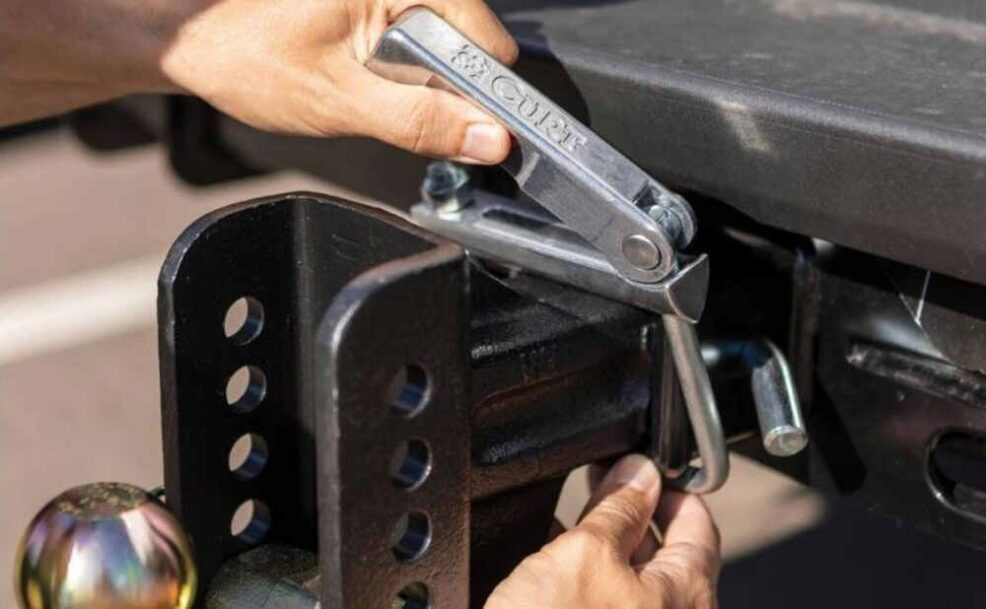
Small amounts of movement inside a trailer hitch might not seem like a big deal at first, but over time they affect comfort, stability, and even component wear.
An anti-rattle device addresses these issues by securing the connection between the hitch and the accessory, turning a loose, noisy setup into something that feels solid and predictable.
The benefits go beyond just eliminating sound and become especially noticeable during everyday driving, longer trips, and when transporting heavier gear.
Reduced Noise and Vibration
The most obvious benefit is a quieter ride. Eliminating the clanking sound makes driving more comfortable, especially on longer trips.
This is particularly noticeable when carrying rigid accessories like cargo carriers or bike racks.
Improved Stability
By tightening the connection between the hitch and accessory, anti-rattle devices reduce side-to-side and vertical movement. This added stability can be helpful when carrying valuable or delicate gear.
Less Wear and Tear
Constant movement can gradually wear down both the hitch receiver and the accessory shank. An anti-rattle device minimizes friction and impact, potentially extending the lifespan of your towing setup.
Better Driving Confidence
Even if rattle isn’t immediately harmful, feeling or hearing movement behind your vehicle can be distracting. A more secure connection often results in greater peace of mind while driving.
When Anti-Rattle Devices Are Especially Worth It
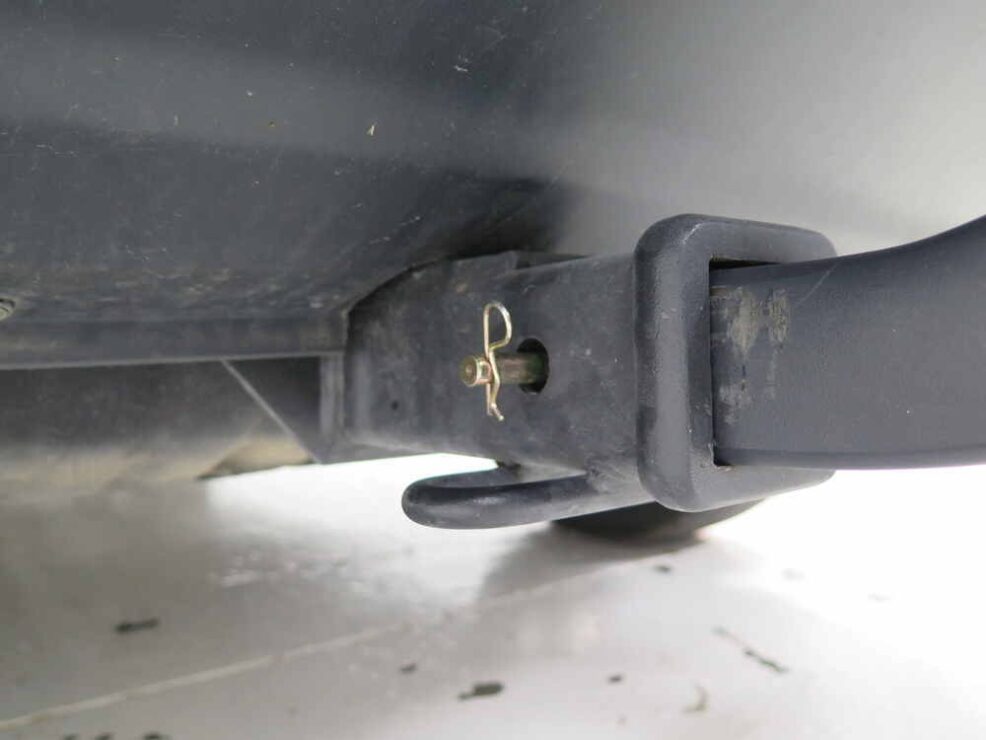
Anti-rattle devices tend to provide the most value in certain situations.
If you frequently use trailer hitch accessories such as bike racks, cargo carriers, or steps, you are more likely to notice movement and noise. Accessories that extend far from the rear of the vehicle amplify vibration, making stabilization more important.
They are also particularly useful for:
- Long road trips
- Daily driving with a mounted accessory
- Gravel, dirt, or uneven roads
- Vehicles with stiff suspensions that transmit vibration
In these cases, the small investment can significantly improve comfort and usability.
Situations Where They May Matter Less
Not every towing setup suffers from noticeable rattle, and in some cases, the added stability of an anti-rattle device may not dramatically change your experience.
If you already have a well-matched hitch and accessory combination, movement may be minimal even without extra hardware.
This is especially true for drivers who use their hitch setup infrequently or only under light-duty conditions.
If you:
- Tow a trailer occasionally
- Use a snug-fitting ball mount
- Drive mostly short distances
- Remove hitch accessories when not in use
You may experience minimal rattle to begin with. In these situations, an anti-rattle device often feels more like a quality-of-life upgrade than a strict requirement.
It can still improve the overall feel of the setup, but the difference may be subtle rather than dramatic.
It’s also worth noting that some modern hitch accessories include built-in stabilization systems, which reduce movement at the connection point and can limit the need for a separate anti-rattle device.
Are Anti-Rattle Devices Safe?
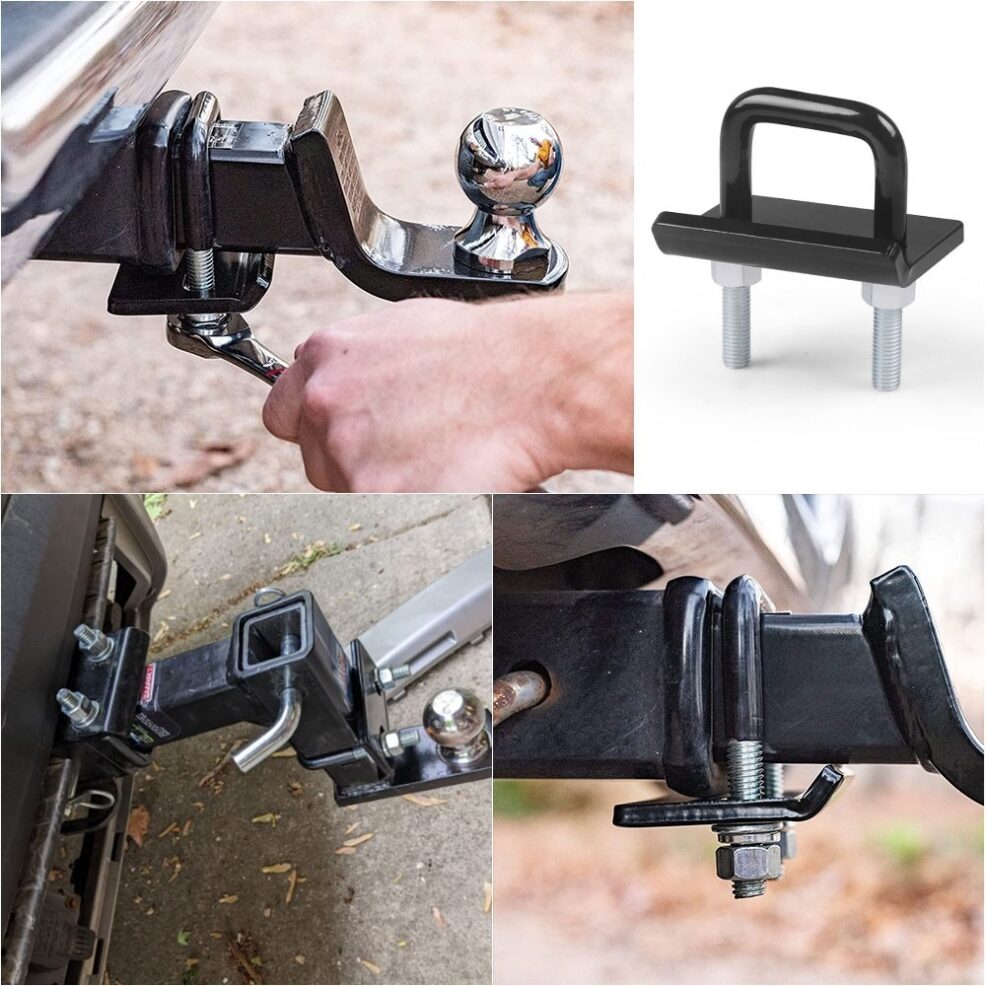
When used correctly, anti-rattle devices are generally safe and designed to work alongside standard hitch components rather than replace them.
Their purpose is to reduce unwanted movement, not to alter how the hitch system carries weight or handles loads.
Problems usually arise only when the device is mismatched or installed improperly.
However, it’s important to:
- Choose a device rated for your hitch size
- Follow installation instructions carefully
- Avoid over-tightening, which can stress components
Anti-rattle devices should never be used to compensate for exceeding weight limits or improper hitch fitment.
They enhance stability and driving confidence, but they do not increase towing or carrying capacity, and they should always be used within the limits of the vehicle and hitch system.
Cost vs. Value
Most anti-rattle devices are relatively affordable compared to other towing equipment. When you consider the potential benefits—less noise, reduced wear, and improved stability—the value can be high for frequent users.
For people who rely on trailer hitch accessories for camping, biking, or hauling gear, the improvement in daily driving experience often outweighs the cost.
Final Verdict
So, are anti-rattle devices worth buying? For many drivers, the answer is yes. While not strictly required for every setup, they offer clear advantages in comfort, stability, and long-term equipment care.
If you regularly drive with trailer hitch accessories installed, an anti-rattle device can be a simple upgrade that makes a noticeable difference.
Ultimately, their value depends on how often you use your hitch and how sensitive you are to noise and movement. For frequent users, anti-rattle devices are less of a luxury and more of a practical enhancement that improves the overall towing and hauling experience.